
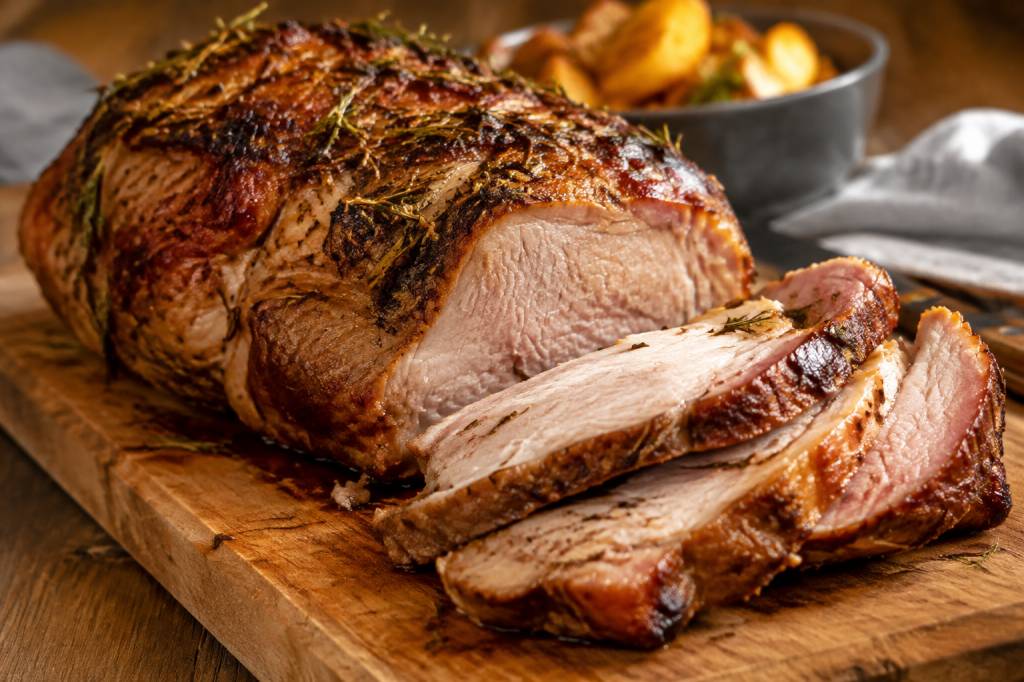
A 1.5 kg pork shoulder is an excellent choice when you want a roast that is rich, tender and forgiving. It contains plenty of connective tissue and fat, which means it rewards gentle cooking rather than a rushed approach. Get the timing right, and the meat should pull apart easily with a crisp, savoury layer of crackling on top.
The main question is simple: how long should you cook a 1.5 kg pork shoulder? The answer depends on the oven temperature and whether the joint is boneless or bone-in. For a reliable roast, allow around 3 to 4 hours at 150°C fan, or 160°C conventional, followed by a generous resting period. For especially soft, pull-apart pork, a lower temperature and longer cooking time works even better.
The best cooking time for a 1.5 kg pork shoulder
For a boneless 1.5 kg pork shoulder, use the following as a practical guide:
- High-heat roast: 20 minutes at 220°C, then 2½ to 3 hours at 160°C conventional or 150°C fan.
- Slow roast: 4½ to 5½ hours at 140°C conventional or 130°C fan.
- Very tender pulled pork: 6 to 8 hours at 120°C conventional, usually covered for part of the cooking time.
These timings are a useful starting point, not a substitute for checking the meat. Pork shoulders vary in shape, fat content and bone size. A thick, compact joint will take longer than a flatter one of the same weight.
For roast pork with slices, aim for an internal temperature of around 70°C after resting. For pork that shreds easily, cook until the thickest part reaches approximately 90–95°C. At that point, the connective tissue has softened enough to give you the tender texture associated with pulled pork.
Why pork shoulder needs time
Pork shoulder is not a naturally delicate cut. It comes from a hard-working part of the animal, so the muscle contains connective tissue that can be chewy if cooked quickly. That is not a flaw; it is simply the reason this cut needs patience.
During a long roast, collagen gradually melts into gelatin. Fat also renders through the meat, helping it stay moist and adding flavour. The result is a joint that can be carved neatly or pulled apart with two forks.
This is why a pork shoulder may be technically cooked but still feel tough. Reaching a safe temperature is only one stage. The meat also needs enough time for the connective tissue to break down. If it resists the carving knife, it probably needs more cooking rather than less.
What you will need
- 1.5 kg pork shoulder, preferably with the skin attached
- 1 tablespoon vegetable oil or olive oil
- 1½ to 2 teaspoons fine sea salt
- 1 teaspoon black pepper
- 2 garlic cloves, crushed
- 1 teaspoon dried sage, thyme or rosemary
- 1 onion, roughly sliced
- 2 carrots, roughly chopped
- 250 ml water, cider or chicken stock
The vegetables and liquid are optional, but they create a useful base for gravy and help prevent the roasting tin from becoming dry. Keep the liquid below the skin if you want crisp crackling. Wet skin is the enemy of crunch.
Preparing the pork properly
Remove the pork from the refrigerator around 30 to 45 minutes before cooking. This takes the chill off the surface and helps the joint cook more evenly. Do not leave raw pork at room temperature for hours; there is no benefit in doing so.
Pat the skin thoroughly dry with kitchen paper. If you have time, leave the uncovered joint in the refrigerator overnight. This dries the skin further and is one of the simplest ways to improve crackling.
Score the skin with a sharp knife, cutting through the skin and fat but not deeply into the meat. If the butcher has already scored it, check that the cuts are open and evenly spaced. Rub the skin with oil, then apply the salt generously. Season the underside and sides with pepper, garlic and herbs.
Salt is more than a seasoning here. It draws moisture from the skin, giving the heat a better chance of creating crisp crackling. Avoid rubbing wet marinades or a large amount of liquid over the skin, however tempting the recipe may look.
A reliable oven method
For a balance of tender meat and crisp skin, this two-stage method is dependable.
- Preheat the oven to 220°C conventional or 200°C fan.
- Place the pork skin-side up on a rack in a roasting tin.
- Roast for 25 to 30 minutes to start the crackling.
- Reduce the temperature to 160°C conventional or 150°C fan.
- Continue cooking for approximately 2½ to 3½ hours.
- Check the internal temperature in the thickest part, avoiding the bone if the joint is bone-in.
- Rest the pork for at least 20 to 30 minutes before carving.
The initial high heat helps blister and crisp the skin. Lowering the temperature then allows the shoulder to cook gently without burning the outside before the centre is ready.
If the crackling has not crisped by the end, increase the oven to 220°C for another 10 to 15 minutes. Watch it closely. Crackling can move from golden and perfect to bitter and black in surprisingly little time.
Should you cover the pork?
Covering the joint with foil can help retain moisture, particularly during a long, slow cook. However, it also traps steam and softens the skin. If crackling matters, leave the pork uncovered for the first high-temperature stage.
For a slow-roasted or pulled pork method, cover the pork loosely with foil after the first hour or two. You can remove the foil for the final 30 to 45 minutes to dry the surface again. If the skin is already crisp, remove it carefully and set it aside while the meat finishes. This keeps the crackling crunchy rather than chewy.
A useful compromise is to cover only the meatier sides with foil, leaving the skin exposed. It is not particularly elegant, but roasting is a practical business.
How to know when it is ready
A meat thermometer is the most reliable tool. Insert it into the thickest part of the shoulder, avoiding the bone and any large pocket of fat. For pork that will be sliced, look for around 70°C after resting. For pull-apart pork, continue cooking until the centre reaches 90–95°C and the probe slides in with little resistance.
Without a thermometer, use a skewer or thin knife. Push it into the thickest part of the meat. It should meet very little resistance when the joint is ready for pulling. The juices should run clear rather than bloody, although juice colour is not as dependable as temperature.
Do not judge the joint only by its appearance. The outside may be beautifully browned while the middle still needs another hour. Likewise, a pale-looking shoulder can become excellent after a little more time under the heat.
Resting the pork
Resting is not a decorative pause while everyone waits impatiently at the table. It allows the juices to redistribute and gives the meat fibres time to relax. Cut into the pork too soon and much of the moisture can run onto the chopping board.
Transfer the cooked shoulder to a warm plate or board and cover it loosely with foil. Leave it for 20 to 30 minutes for a joint intended for slicing. A larger or very slow-cooked joint can rest for 45 minutes without trouble.
Do not wrap it tightly if you want to preserve the crackling. Tight foil creates steam, turning crisp skin soft. Keep the crackling uncovered or remove it from the joint before resting.
Cooking a bone-in shoulder
A bone-in shoulder usually takes longer than a boneless joint because the shape is less uniform and the bone affects how heat moves through the meat. For 1.5 kg, allow around 3½ to 4 hours at 150°C fan after the initial high-heat stage.
Use the same temperature checks, but place the thermometer in the thickest area without touching the bone. The bone can give a misleading reading. If the meat is intended for pulled pork, rely on both temperature and texture: it should reach roughly 90–95°C and feel soft when tested.
Bone-in pork often has excellent flavour, but it may not carve into perfectly even slices. If presentation matters, a boneless joint tied with kitchen string is easier to manage.
Slow cooker option
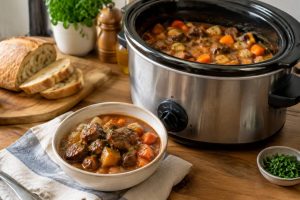
A slow cooker is useful when you want exceptionally soft pork with very little attention. Season the joint, place it over sliced onions, and add 100 to 150 ml of stock, cider or apple juice. Cook on:
- Low: 8 to 10 hours
- High: 5 to 6 hours
The meat should be tender enough to pull apart with forks. A slow cooker will not create crackling, so transfer the cooked pork to a roasting tray, pat the skin dry and place it under a hot grill or in a 220°C oven for 10 to 20 minutes. Stay nearby and check it regularly.
If the joint has no skin, shred the pork and serve it with the cooking juices, or reduce those juices in a saucepan to make a concentrated sauce.
Simple flavour combinations
Pork shoulder works well with earthy herbs, sharp fruit and gentle sweetness. Sage, thyme, rosemary, garlic and fennel are reliable choices. For a fresher flavour, add grated lemon zest to the seasoning. For a more traditional British roast, use sage, onion and apple sauce.
A practical seasoning mixture is two teaspoons of salt, one teaspoon of black pepper, one teaspoon of dried sage and two crushed garlic cloves. Rub it over the meat, keeping most of the salt on the skin. This is enough to enhance the pork without burying its flavour beneath a complicated paste.
For pulled pork, try smoked paprika, cumin, brown sugar, mustard and garlic. Keep sugar away from the skin during the long roast because it can burn before the meat is ready.
Common mistakes to avoid
- Cooking by weight alone: Use the suggested time as a guide, but confirm doneness with a thermometer or texture test.
- Skipping the drying stage: Wet skin rarely produces good crackling.
- Adding too much liquid: The pork should roast, not boil. Keep liquid shallow and below the skin.
- Carving immediately: Rest the joint so the juices stay in the meat.
- Stopping when it is merely safe: A shoulder may need additional time to become tender.
- Using very high heat throughout: This can burn the outside while leaving the connective tissue tough.
Serving and storing leftovers
Serve sliced pork with roast potatoes, apple sauce, braised cabbage or a sharp mustard gravy. For pulled pork, use soft rolls, pickled onions and crunchy slaw to balance the richness.
Cool leftovers promptly and refrigerate them in a covered container for up to three days. Shredded pork reheats well in a covered pan with a splash of stock, cider or water. It can also be added to pies, fried rice, tacos or a simple pasta sauce.
For the best result with a 1.5 kg pork shoulder, remember three things: dry the skin, cook gently after the initial blast of heat, and allow enough time for the connective tissue to soften. If the meat is still firm, give it longer. Pork shoulder is rarely improved by rushing, but it is remarkably good at rewarding patience.