
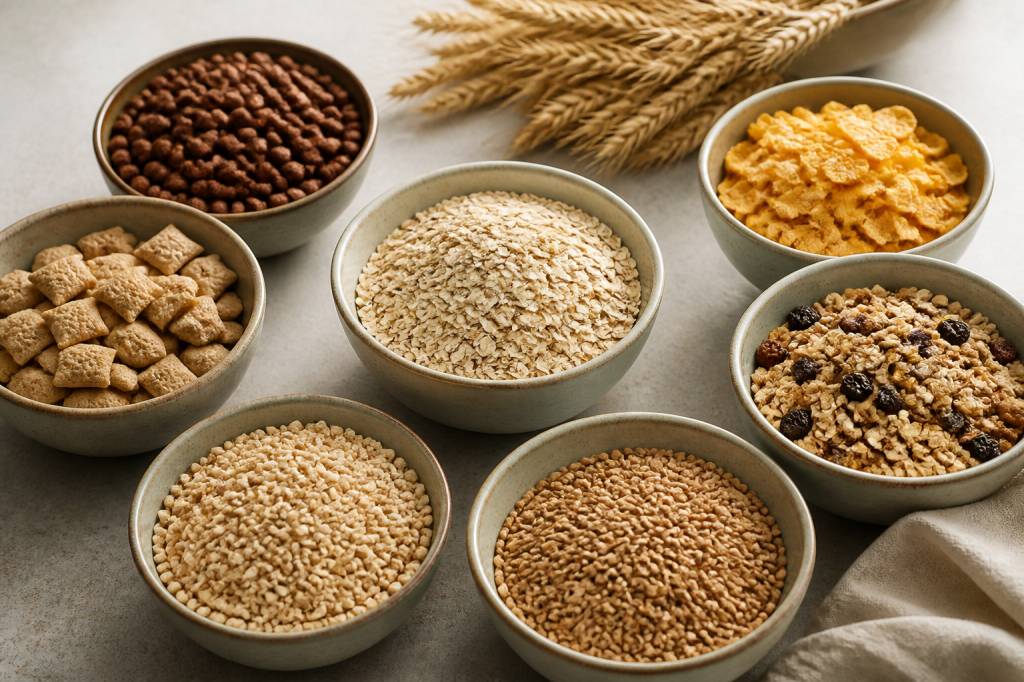
Breakfast does not need to be complicated, expensive or overloaded with sugar to be satisfying. A good bowl of cereal can provide fibre, steady energy and useful nutrients, provided you choose the right kind. The difficulty is that the cereal aisle is full of colourful boxes making impressive claims. “Natural”, “light” and “high in vitamins” do not always mean a healthier choice.
A more practical approach is to look at the grain, the fibre content, the amount of added sugar and how well the cereal keeps you full. The following ten cereal names are all useful options for building a healthier breakfast routine. Some are familiar, while others deserve a place in your cupboard.
What makes a cereal a healthier choice?
Before looking at individual cereals, it helps to know what to check on the label. A cereal made with whole grains is generally a better starting point than one made mainly from refined flour. Whole grains contain more of the grain’s natural fibre and nutrients, helping breakfast feel more substantial.
Fibre matters because it supports digestion and can help you stay full until lunch. As a simple guide, look for cereals offering at least 3 grams of fibre per serving, although more is often better. Also check the sugar content. Some cereals contain as much sugar as a dessert, even when the packaging uses words such as “wholesome” or “breakfast”.
Finally, pay attention to portion size. A stated serving may be much smaller than the bowl you normally use. Weighing your cereal once can be useful. After that, you will have a better idea of what a realistic portion looks like.
Oatmeal
Oatmeal is one of the simplest and most dependable breakfast choices. It is made from oats, which provide soluble fibre, including a type called beta-glucan. This fibre can help support healthy cholesterol levels and gives oatmeal its pleasantly filling quality.
Choose rolled oats or steel-cut oats when possible. They take a little longer to prepare than instant varieties, but the texture is better and they are less likely to come with added sugar. Instant oats are not automatically unhealthy; the main issue is the flavoured versions, which can contain generous amounts of sugar.
For a practical bowl, cook oats with milk or an unsweetened plant-based drink. Add sliced banana, grated apple, berries, cinnamon or a spoonful of chopped nuts. A small amount of peanut butter can also add flavour and protein. If mornings are rushed, prepare overnight oats in a jar the evening before. Breakfast will be waiting in the fridge, which is more reliable than hoping for extra time in the morning.
Bran flakes
Bran flakes are made with the outer layer of the wheat grain and are often particularly high in fibre. They have a light, crisp texture and work well with milk, yoghurt or fresh fruit.
Because bran can be filling, begin with a sensible portion and drink enough water throughout the day. A sudden increase in fibre may cause digestive discomfort, especially if your usual diet is low in fibre. Gradual changes are usually more comfortable.
Look for a plain version rather than one covered in sugar or mixed with sweetened clusters. Bran flakes can taste a little plain at first, but this is easily solved with strawberries, raisins, pear or a few pumpkin seeds. The fruit adds sweetness while the seeds add texture and useful fats.
Shredded wheat
Shredded wheat is a straightforward cereal made from whole wheat. It usually has a short ingredient list, which is exactly what you want when comparing breakfast products. It is naturally low in sugar and provides fibre without relying on a long list of added ingredients.
Its sturdy texture makes it surprisingly versatile. Pour over milk and add sliced banana for a quick breakfast, or crumble it into Greek yoghurt with berries. You can also leave it in the bowl for a few minutes if you prefer a softer texture.
Some versions are filled or coated with sweetened ingredients, so check the label carefully. Plain shredded wheat is the more useful everyday option. It may not look exciting in the packet, but a cereal does not need dramatic packaging to do its job well.
Whole-grain muesli
Muesli usually combines rolled oats with ingredients such as nuts, seeds, dried fruit and other grains. A whole-grain version can offer a good balance of fibre, slow-release carbohydrates, protein and healthy fats.
The main point to watch is sugar. Dried fruit is naturally sweet, but some muesli products also contain honey, syrup, chocolate or sugar-coated pieces. These additions can turn a sensible breakfast into a much sweeter meal than expected.
Choose muesli with a simple ingredient list and plenty of oats, nuts and seeds. Serve it with plain yoghurt and fresh berries, or soak it overnight with milk. If the mixture contains a large amount of dried fruit, use a smaller portion and add fresh fruit instead. This gives you more volume and water without making breakfast overly sweet.
Unsweetened granola
Granola can be a useful cereal, but it deserves a little more label reading than most options. Oats, nuts and seeds are nutritious ingredients, yet granola is often baked with oil, sugar, honey or syrup. As a result, it can be much higher in calories than it appears.
Look for an unsweetened or lightly sweetened variety with whole grains near the top of the ingredient list. A smaller serving sprinkled over plain yoghurt can provide plenty of crunch. It does not need to fill the entire bowl.
You can also make a simple homemade version. Combine rolled oats with chopped almonds, sunflower seeds and cinnamon. Add a small amount of olive oil or mashed banana for binding, then bake until lightly golden. Homemade granola allows you to control the sweetness and avoid unnecessary ingredients. Keep it in an airtight container so it remains crisp.
Porridge made with whole grains
Porridge is not limited to oats. Whole-grain versions made with barley, rye, buckwheat, millet or quinoa can bring different flavours and textures to breakfast. These grains are useful when you want variety without relying on heavily processed cereals.
Barley porridge, for example, has a pleasant chewy texture and provides plenty of fibre. Buckwheat has a slightly nutty flavour and is naturally gluten-free, although anyone with coeliac disease should check for certified gluten-free products because cross-contamination can occur.
Cook the grain with milk or water and top it with fruit, yoghurt or seeds. It may take longer than standard oatmeal, so prepare a larger batch and refrigerate individual portions. Reheat with a splash of milk when needed. A little planning can turn a slow-cooking grain into a convenient weekday breakfast.
High-fibre whole-grain cereal
Many supermarkets sell plain whole-grain cereals designed to provide a higher amount of fibre. These may contain wheat bran, whole-wheat pieces, oats or a combination of grains. They are especially useful if your current breakfast contains very little fibre.
When choosing one, compare the nutrition panels rather than relying on the front of the box. Look for a high fibre figure, modest sugar and a short ingredient list. Some high-fibre cereals are heavily sweetened or include large amounts of salt, so the label still matters.
The flavour may be stronger and the texture rougher than a standard flake. Mix it with a milder cereal at first, then gradually increase the proportion. Add yoghurt or fruit to soften the texture. A healthier breakfast should be realistic enough to repeat, not a punishment served in a bowl.
Whole-grain corn flakes
Traditional corn flakes are often low in fibre because they are made from refined corn. A whole-grain version is a better option, particularly when it contains minimal added sugar and a clear whole-grain ingredient.
They are light and crisp, so they may not keep you full on their own. Pair them with milk or yoghurt and add fruit, nuts or seeds. This creates a more balanced meal than eating a large bowl of flakes alone.
Check the label for the words “whole grain” and compare the fibre content between brands. Two boxes can look almost identical while offering very different nutritional value. The packaging may be similar; the breakfast experience may not be.
Rye flakes
Rye flakes are less common than oats but are worth trying. Rye is a whole grain with a distinctive earthy flavour and a satisfying, slightly chewy texture. It can make breakfast feel more substantial, particularly when paired with creamy yoghurt or warm milk.
Use rye flakes in the same way as oats. Cook them into porridge, combine them with muesli or soak them overnight. Add berries, grated pear, cinnamon or chopped hazelnuts to balance the flavour.
As with other whole grains, check the packaging if you need to avoid gluten. Rye naturally contains gluten, so it is not suitable for people with coeliac disease or a medically diagnosed gluten intolerance.
Quinoa flakes
Quinoa flakes are made from flattened quinoa and cook quickly. They have a mild flavour and provide a useful source of plant protein compared with many conventional cereals. Their soft texture makes them suitable for porridge, especially when cooked with milk.
Try combining quinoa flakes with oats rather than using them alone. This gives you the creaminess of oats with the lighter texture of quinoa. Add blueberries, chia seeds and a spoonful of plain yoghurt for a breakfast that is both filling and easy to prepare.
Quinoa flakes can be more expensive than basic oats, so they do not need to become an everyday staple. Use them as a change of pace or mix a small amount into your usual cereal. Healthy eating does not require every product in the cupboard to be premium-priced.
Homemade toasted oat cereal
A homemade toasted oat cereal gives you complete control over the ingredients. Start with rolled oats, then add nuts, seeds and spices such as cinnamon or ginger. Toast the mixture in the oven until lightly golden, stirring once or twice to prevent burning.
There is no need to add a large amount of syrup. Mashed banana, unsweetened apple puree or a small drizzle of honey can provide enough sweetness. Once cool, store the cereal in a sealed container and serve it with milk, yoghurt or fresh fruit.
This option is particularly useful if you find commercial cereals too sweet or if you want to use ingredients already sitting in the cupboard. It also makes it easier to adjust the recipe for allergies, dietary preferences or family taste. Just remember that nuts and seeds are nutritious but energy-dense, so a modest serving is usually enough.
How to build a more balanced cereal bowl
The cereal is only one part of breakfast. To make the meal more satisfying, combine four simple elements: a whole-grain cereal, a source of protein, fruit and a little healthy fat.
For example, try oatmeal with milk, blueberries and walnuts. Another option is shredded wheat with plain yoghurt, sliced pear and pumpkin seeds. These combinations are simple, flexible and more likely to keep hunger under control than a bowl of sugary cereal eaten on its own.
Small habits that make breakfast easier
Keep two or three cereals available rather than buying a different box every week. One quick option, such as bran flakes or shredded wheat, can cover busy mornings. A slower option, such as steel-cut oats or barley porridge, can be prepared in batches for days when you have more time.
Keep fruit visible on the kitchen counter and store nuts or seeds where you can reach them easily. The healthiest choice is often the one that requires the fewest decisions. Prepare overnight oats before bed, portion homemade granola into jars and wash berries as soon as you bring them home.
Most importantly, choose cereals you genuinely enjoy. A breakfast that is nutritious but unpleasant will not become a lasting routine. Start with one small change, such as replacing a sugary cereal with plain oats or adding fruit to your usual bowl. Repeat it until it feels normal, then make the next improvement.