

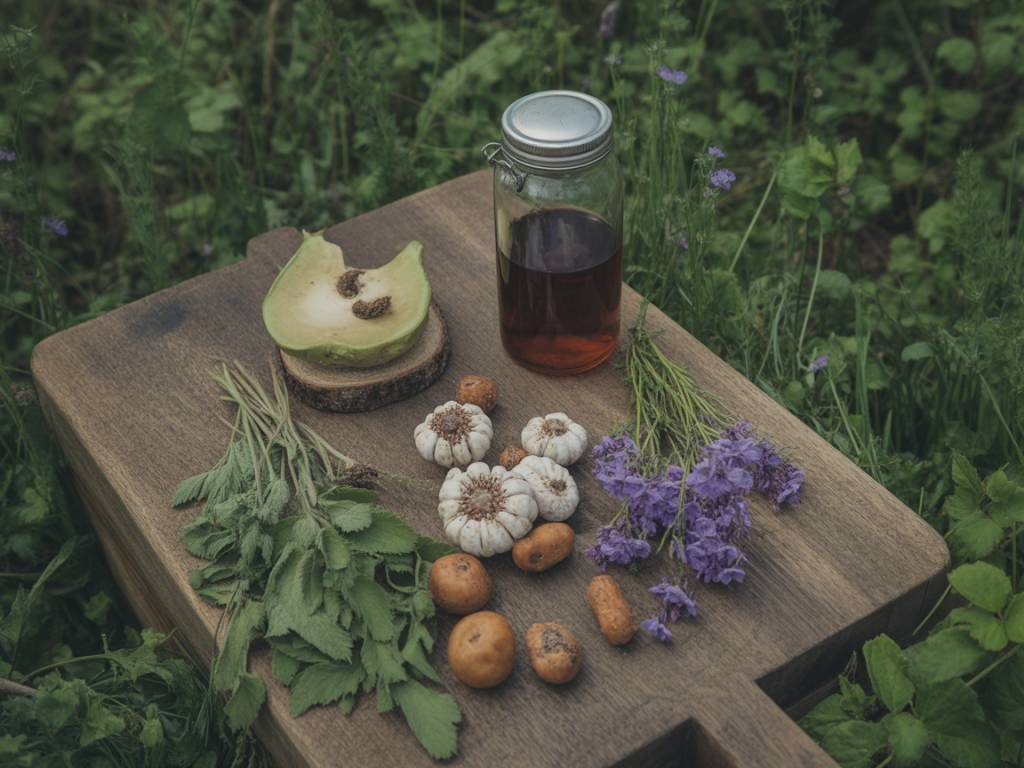
Across the UK, hedgerows, woodlands and even city verges quietly host a pharmacy and pantry in miniature. Foraging – the practice of gathering wild foods – is enjoying a revival among people looking for more connection to nature, more flavour and, increasingly, more nutrient-dense ingredients. When done safely and ethically, British wild foods can offer meaningful benefits for everyday wellbeing, from gentle digestive support to immune-boosting antioxidants.
This article explores the health potential of some of the UK’s most accessible wild foods and offers practical ideas for using them at home, whether you live in the countryside or a densely built-up town.
Foraging Safely and Responsibly
Before focusing on individual plants, it is important to place health benefits in the context of safety and environmental responsibility. Foraged foods can be powerful, but so can the risks if misidentified or harvested carelessly.
Key safety principles include:
- Learn from experts first: Use several high-quality field guides and, ideally, attend a guided foraging walk. Relying on a single photograph from the internet is not enough for safe identification.
- Follow the “100% rule”: Never eat anything unless you are 100% certain of its identity. If there is any doubt, leave it. Many edible species have toxic lookalikes.
- Avoid polluted areas: Do not pick near busy roads, industrial sites, railway lines, dog-walking hotspots or areas that may have been sprayed with pesticides or herbicides.
- Respect the law and landowners: In the UK, you may generally pick wild flowers, fruit, foliage and fungi for personal use where you have legal access to the land, but not for sale. Never uproot plants without the landowner’s permission, and avoid protected species entirely.
- Harvest lightly: Take only what you need, and no more than a small fraction of what is available, leaving plenty for wildlife and plant regeneration.
- Introduce new foods gradually: Even safe wild foods can cause digestive upset or allergic reactions in some people. Start with small quantities and monitor how your body responds.
With those guardrails in place, wild foods can be an enriching part of a balanced diet, especially when used to complement, rather than replace, conventional fruit and vegetables.
Stinging Nettles: A Mineral-Rich Spring Tonic
For many people, stinging nettles are an unwelcome garden visitor. Nutritionally, however, they are closer to a leafy green superfood. Young spring nettle tops (before flowering) contain vitamin C, vitamin K and an array of minerals, particularly iron, calcium and magnesium. They also offer chlorophyll and polyphenols, which have been linked with antioxidant and mild anti-inflammatory effects.
To forage nettles safely, wear gloves and use scissors to snip tender top leaves from plants growing away from roads and footpaths. Once cooked or dried, the sting disappears entirely.
Simple ways to use nettles at home include:
- Nettle soup: Substitute half your usual spinach or kale with blanched nettle leaves in a vegetable soup. Sauté onion, leek and garlic in oil, add potatoes, stock and nettles, then blend for a deep green, iron-rich bowl.
- Nettle tea: Rinse fresh leaves, then steep in just-boiled water for 5–10 minutes. The result is a mild, grassy infusion often used as a gentle, traditional spring “cleanse”.
- Nettle pesto: Lightly blanch and cool nettle leaves, then blend with nuts or seeds, olive oil, hard cheese (or a vegan alternative), lemon juice and salt. Stir through pasta or spread on toast.
While nettles have a long history in herbal traditions, they may interact with some medications, particularly diuretics. Anyone with kidney issues or on prescription medicines should speak to a health professional before consuming them regularly.
Wild Garlic: Fragrance with Cardiovascular Promise
Wild garlic carpets many British woodlands in spring, its broad leaves and white star-shaped flowers releasing a pungent, unmistakable aroma. Leaves, flower buds and flowers are all edible when correctly identified (distinct from toxic lookalikes such as lily of the valley). The strong garlic scent is a critical identification clue; if it does not smell of garlic, do not pick it.
Like cultivated garlic, wild garlic contains sulphur compounds, including allicin, which have been studied for potential cardiovascular benefits. Research points to possible modest reductions in blood pressure and improvements in cholesterol profiles, although wild garlic is typically eaten in smaller quantities than its bulb-forming cousin.
Practical uses at home include:
- Wild garlic butter: Finely chop fresh leaves and mix into softened butter with a pinch of salt and lemon zest. Freeze in portions and use on new potatoes, fish or sourdough toast.
- Herb salts: Blend leaves with sea salt, spread thinly on a tray, and dry at low temperature in an oven or dehydrator. Crumble into a jar for a fragrant finishing salt.
- Leafy additions: Stir chopped wild garlic into omelettes, risottos or savoury muffins instead of, or alongside, chives and spring onions.
As with all allium family plants, those with sensitive digestion may find large amounts cause discomfort. Start small and build up according to tolerance.
Blackberries: Familiar Hedgerow Antioxidants
Blackberries are one of the most recognisable and accessible wild fruits in Britain. Abundant in late summer and early autumn, they are rich in vitamin C, fibre and anthocyanins – deep purple plant pigments studied for their antioxidant and anti-inflammatory properties.
Eating blackberries in their whole form, rather than as juice, helps support digestive health thanks to their fibre content. They can be enjoyed fresh in modest handfuls or frozen for use throughout the year.
In the kitchen, blackberries are versatile:
- Breakfast bowls: Scatter over porridge, yoghurt or overnight oats to add natural sweetness and a dose of vitamin C, which aids iron absorption from plant foods.
- Blackberry compote: Simmer berries gently with a splash of water and a minimal amount of honey or sugar, then store in the fridge to spoon over pancakes, porridge or desserts.
- Freezer-friendly “ice cubes”: Freeze washed berries in a single layer, then transfer to containers. Drop into water, smoothies or homemade lemonade for colour and flavour.
Gather only from brambles growing away from busy roads and at a height less likely to have been soiled by dogs. Rinse thoroughly before eating or preserving.
Elderflower and Elderberries: Seasonal Support for the Immune System
Elder trees, common along British lanes, produce delicate white flower umbels in late spring and clusters of deep purple berries later in the year. Both have a long history of culinary and medicinal use, though the plant also contains compounds that can be toxic if handled incorrectly.
Elderflower heads are traditionally used to make cordial and infusions. They contain flavonoids that may contribute mild anti-inflammatory and antioxidant activity. Elderberries, when thoroughly cooked, are rich in vitamin C and anthocyanins. Some laboratory and small clinical studies suggest elderberry extracts may reduce the duration and severity of common colds and flu-like illnesses, likely due to their antiviral and immune-modulating effects.
Key points for safe household use:
- Use only flowers and fully ripe berries: Stems, leaves and unripe berries contain higher levels of cyanogenic glycosides, which can release small amounts of cyanide. These should not be eaten.
- Always cook elderberries: Heating reduces the risk of digestive upset from these compounds. Never eat raw elderberries in quantity.
Some simple home preparations include:
- Elderflower cordial: Steep fresh elderflower heads with citrus slices, sugar and water for several days, then strain and bottle. Mix with still or sparkling water for a floral drink that can be enjoyed diluted to reduce sugar intake.
- Elderberry syrup: Simmer destemmed berries with water, then strain and sweeten to taste with honey or sugar before bottling. A spoonful can be stirred into hot water as a winter drink, though it should not replace medical treatment when needed.
- Elderberry compote: Combine cooked berries with apples or pears for a tangy, deeply coloured fruit base for yoghurt or porridge.
People with autoimmune conditions or those taking immunomodulating medications should consult a healthcare provider before using concentrated elder preparations regularly.
Dandelion: From Lawn Nuisance to Digestive Ally
Often viewed purely as a weed, the dandelion is entirely edible, from flower to root. Young leaves contain vitamins A, C and K, along with minerals such as calcium and potassium. Traditionally, dandelion has been used as a gentle bitter tonic, encouraging digestion and, to a lesser extent, diuresis (increased urine production).
The bitterness of the leaves, which intensifies as the plant matures, is part of what makes them interesting nutritionally. Bitter flavours can stimulate saliva and digestive secretions, which may support appetite and digestion, particularly before a meal.
Ideas for using dandelions at home include:
- Salad leaves: Add a handful of young, tender leaves to mixed salads, balancing their bitterness with sweeter leaves, apple slices or beetroot.
- Dandelion “coffee”: Clean and roast chopped roots until dark brown, then simmer a spoonful in water for a caffeine-free, slightly caramelised drink.
- Flower fritters: Dip clean flower heads in a light batter and pan-fry briefly. While more of a seasonal treat than a health food, they are a striking way to appreciate a plant usually pulled up without a second thought.
Dandelion’s diuretic effect means it may not be appropriate for everyone, especially those with kidney issues or taking certain medications. Again, moderation and medical advice where necessary are sensible.
Coastal Foraging: Seaweeds as Mineral Powerhouses
Along Britain’s shorelines, edible seaweeds offer a distinctly different nutritional profile from land plants. Species such as bladderwrack, kelp and dulse are naturally rich in iodine, a mineral essential for thyroid function, as well as providing fibre and a range of trace elements.
Iodine deficiency can lead to thyroid problems, but excessive iodine intake can also be problematic, especially for individuals with existing thyroid conditions. For most people, occasional small servings of seaweed can be a useful way to diversify mineral intake, but daily, large portions are not advisable without professional guidance.
At home, seaweeds can be used in understated ways:
- Seasoning flakes: Dried, crumbled seaweed can be sprinkled sparingly over soups, roasted vegetables or rice for a subtle umami lift.
- Stock base: Add a strip of dried kelp to simmering stock, then remove before serving. This infuses dishes with depth and extra minerals.
- Homemade furikake-style mix: Combine toasted sesame seeds, seaweed flakes and a pinch of salt for a nutritious topping for rice or salads.
Coastal foragers must pay particular attention to water quality, local regulations and safe species identification. Some seaweeds accumulate heavy metals, so variety and moderation are essential.
Bringing Wild Foods into Everyday Life
Foraging is often portrayed as an all-or-nothing pursuit, but its health value lies as much in small, regular touches as in dramatic lifestyle overhauls. A handful of blackberries on morning porridge, a jar of wild garlic butter in the freezer, or a spring nettle soup can all broaden the nutritional range of a conventional diet.
The wider wellbeing impact should not be overlooked. Time spent outdoors has been linked with lower stress levels, improved mood and greater physical activity. Learning to recognise and responsibly harvest wild foods can restore a sense of seasonal rhythm and place, adding psychological nourishment alongside the vitamins and minerals on the plate.
Used thoughtfully, with an eye on safety, diversity and moderation, Britain’s wild larder can complement supermarket shopping with flavour, colour and a tangible connection to local landscapes – a form of everyday wellness that starts with noticing what is growing at the edge of the path.