
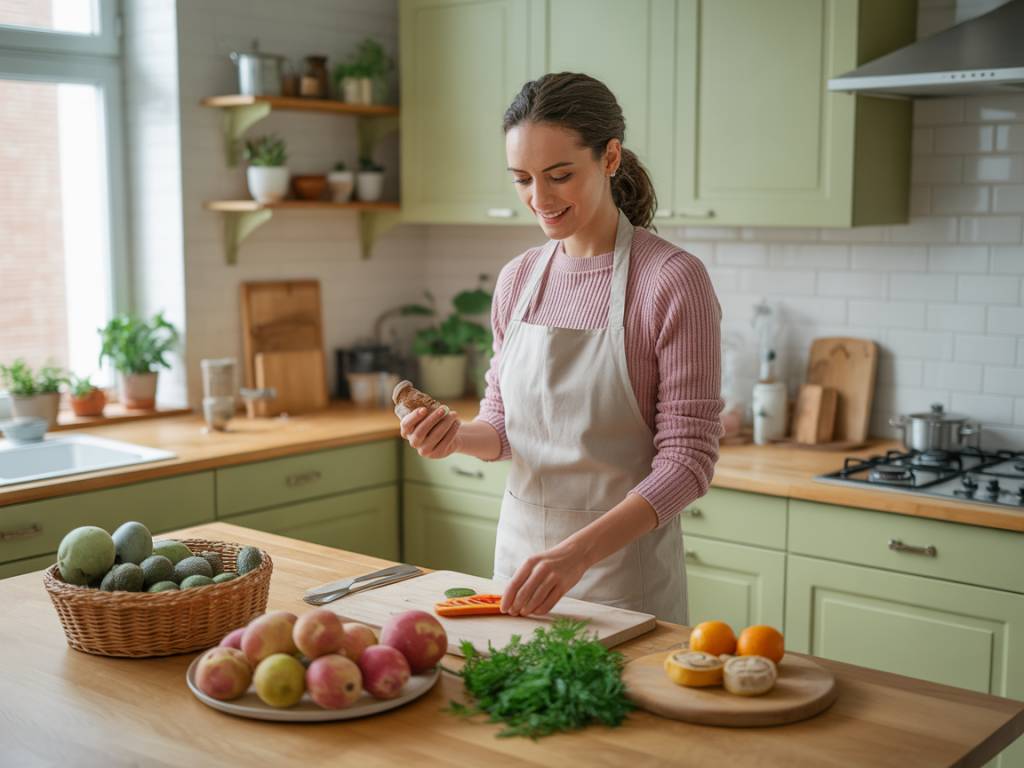
Understanding the Link Between Kitchen Design, Sustainability and Health
Designing an eco-friendly kitchen is not only about reducing your environmental footprint; it is also a powerful way to support healthier eating habits. The way a kitchen is laid out, the materials that are chosen and the equipment that is installed all influence daily choices: how often we cook, what we cook and how much waste we create.
An eco-responsible kitchen aims to:
- Minimize energy and water consumption
- Reduce waste and encourage reuse
- Prioritize durable, non-toxic materials
- Make fresh, minimally processed foods easy to store, see and prepare
By aligning environmental goals with nutritional ones, the kitchen becomes a supportive space where sustainable behavior and healthy cooking reinforce each other rather than compete.
Planning the Layout: Encouraging Home Cooking
The layout of a kitchen can either make cooking feel effortless or tedious. A well-organized, eco-responsible kitchen encourages more home-cooked meals, which tend to be lower in ultra-processed ingredients, packaging and food waste.
Several layout principles help:
- Prioritize the “fresh food triangle”: Place the refrigerator, sink and main preparation area within easy reach of each other. This makes washing vegetables, chopping ingredients and storing leftovers quicker and less energy-intensive.
- Allocate generous prep space: A clear, well-lit worktop encourages preparing ingredients from scratch—washing leafy greens, cutting vegetables, portioning bulk grains. This not only reduces reliance on packaged convenience foods but also lowers packaging waste.
- Make healthy foods visible: Position fruit bowls, glass jars of grains and legumes, and containers of nuts and seeds at eye level. Visual cues are powerful; when nutritious ingredients are the first things seen, they are more likely to be used.
- Separate “hot” and “cold” zones: Avoid placing the oven next to the refrigerator. Heat forces the fridge to work harder, increasing energy consumption, and can shorten the life of fresh produce stored inside.
Choosing Eco-Friendly and Safe Materials
Materials influence indoor air quality and, by extension, respiratory and overall health. Many conventional cabinets, worktops and floor coverings release volatile organic compounds (VOCs) and other chemicals that can accumulate in poorly ventilated kitchens.
For a healthier and more sustainable kitchen, consider:
- Low-emission cabinetry: Opt for cabinets made from FSC-certified wood or low-formaldehyde plywood. Look for products labeled as low-VOC or CARB-compliant to reduce indoor air pollution.
- Durable, repairable worktops: Worktops in solid wood, recycled glass, or responsibly sourced stone are long-lasting and can often be repaired instead of replaced. Their longevity reduces resource use and waste over time.
- Natural or low-toxicity finishes: Select water-based varnishes, natural oils and low-VOC paints. These finishes help maintain better indoor air quality, especially important in small kitchens with limited ventilation.
- Resilient, low-emission flooring: Cork, linoleum (not vinyl) and sustainably certified wood are more environmentally responsible than many synthetic floors and are generally easier to keep clean without harsh chemicals.
While sustainable materials can be more expensive upfront, their durability, lower maintenance and positive health impact often provide long-term value.
Energy-Efficient Appliances and Their Impact on Diet
Selecting energy-efficient appliances is one of the most direct ways to reduce a kitchen’s environmental impact. Modern appliances also influence what and how we cook, with some features making healthy food preparation more appealing.
Key considerations include:
- Energy-rated refrigerators and freezers: Choose the most efficient model suitable for your household size. An oversized fridge invites overbuying, which raises the risk of food waste. Adjustable shelves and clear drawers help keep fresh produce visible and accessible.
- Efficient cooking options: Induction hobs heat quickly and precisely, wasting less energy and making it easier to cook vegetables and grains without overheating the kitchen. Electric pressure cookers and slow cookers are efficient tools for preparing legumes, whole grains and homemade stocks.
- Smaller, task-specific appliances: A high-quality blender or food processor can make it easier to prepare soups, hummus, pesto and smoothies at home, reducing the need for packaged versions that often come with additives and excess salt.
- Smart use of the oven: If replacing an oven, consider a convection model, which circulates hot air and reduces cooking times. Use the full capacity when baking: roasting vegetables, baking bread and cooking meals simultaneously optimizes energy use.
Energy efficiency labels provide a clear guide, but the way appliances are used is equally important. Planning meals, batch cooking and using lids on pots all contribute to lower energy consumption.
Designing Storage to Reduce Waste and Promote Healthy Choices
Storage is a critical, often underestimated part of an eco-responsible kitchen. Organized storage systems can significantly reduce food waste while making it easier to maintain a balanced diet.
Effective strategies include:
- Transparent containers: Store dry goods such as oats, rice, lentils and nuts in glass jars or clear containers. Seeing the contents not only encourages use but also makes it easier to track quantities and avoid unnecessary purchases.
- “Eat first” zone: Dedicate a shelf or box in the fridge to foods that should be consumed soon—leftovers, opened jars, ripe fruit. Label it clearly to prompt household members to prioritize these items.
- Bulk storage for staples: Buying grains, legumes and seeds in bulk reduces packaging waste and often improves quality. Allocate a pantry area specifically for these staples to support a more plant-forward diet.
- Modular fridge organization: Use small bins or trays to group similar items: dairy, condiments, prepped vegetables. This organization reduces the time the door remains open, saving energy and keeping perishable foods fresh longer.
A well-organized pantry supports meal planning, facilitates use of whole foods and discourages impulsive purchases of ultra-processed snacks, which often come with excessive packaging and additives.
Water Management and Healthy Cleaning Practices
Water is another essential aspect of an eco-responsible kitchen. Efficient use protects natural resources, while the choice of filters and cleaning products directly affects health.
To optimize water use:
- Install low-flow taps: Modern aerators reduce water consumption without compromising pressure, making it easier to rinse vegetables and dishes using less water.
- Choose an efficient dishwasher: An energy- and water-efficient dishwasher, used on eco cycles and fully loaded, usually consumes less water than handwashing.
- Collect and reuse cold water: When waiting for hot water, collect the initial cold flow in a jug and use it to water plants or rinse produce.
For healthier cleaning:
- Non-toxic cleaning products: Select detergents and sprays with minimal synthetic fragrances and harsh chemicals. Many surfaces can be maintained with simple solutions based on vinegar, baking soda and mild soap.
- Good ventilation: Ensure effective extraction when cooking and cleaning to disperse moisture and pollutants. Proper ventilation helps prevent mold, which is associated with respiratory issues.
Integrating Waste Sorting, Composting and Reuse
An eco-responsible kitchen incorporates waste management into its very layout. Separating recyclable materials, compostable scraps and residual waste becomes easy when the system is visible, intuitive and close to the preparation area.
Elements to include:
- Dedicated sorting station: Install bins for recyclables, compost and general waste within arm’s reach of the worktop. Clear labels support consistent sorting by all household members.
- Compost solution adapted to the space: In a house with a garden, a compost bin can handle vegetable peelings, coffee grounds and eggshells, turning them into valuable soil. In apartments, bokashi buckets or community compost schemes are alternatives.
- Zone for reusable items: Allocate a drawer or shelf for reusable bags, jars, food containers and bottles. Positioned near the exit, this zone acts as a reminder when leaving for shopping.
By treating waste management as a design element rather than an afterthought, the kitchen encourages behaviors that reduce landfill waste and support circular resource use.
Lighting, Atmosphere and the Pleasure of Cooking
Lighting influences both energy consumption and the way food is perceived. A well-lit kitchen makes cooking more enjoyable and safer, and good light enhances the colors of fresh ingredients, subtly encouraging their use.
Key elements include:
- Maximize natural light: Whenever possible, keep windows unobstructed and use light-colored surfaces to reflect daylight. Natural light not only reduces energy use but also improves mood and concentration while cooking.
- Efficient, layered artificial lighting: Combine ceiling lights, under-cabinet LED strips and focused task lighting above preparation areas. LEDs consume less energy and last longer than traditional bulbs.
- Warm, welcoming atmosphere: A comfortable, aesthetically pleasing kitchen invites people to spend time cooking, eating and sharing meals. When cooking is a pleasant experience, reliance on takeaway and packaged foods often declines.
Aligning the Kitchen with Everyday Healthy Habits
An eco-responsible kitchen is ultimately a tool for daily life. Its real value appears when the space actively supports healthier habits: cooking whole foods, storing leftovers safely, drinking more water and sitting down for regular meals.
To align the space with these goals:
- Keep basic tools accessible: Place knives, cutting boards, pots and pans where they can be reached quickly. When the tools for cooking vegetables and whole grains are easy to find, homemade meals become less of a chore.
- Design a hydration station: A visible carafe or water filter on the counter, along with reusable glasses or bottles, encourages regular water consumption instead of sugary drinks.
- Create a small eating corner: Even a compact table or bar area invites mindful eating rather than snacking in front of screens, which is associated with overeating and poorer food choices.
- Plan for leftovers: Store reusable containers with tight lids within reach. A habit of cooking slightly larger portions and safely storing them supports time-saving lunches and reduces food waste.
When a kitchen is thoughtfully arranged, environmental responsibility and personal health objectives become mutually reinforcing. The space itself gently nudges inhabitants toward behaviors that are beneficial both for their own bodies and for the planet they inhabit.