
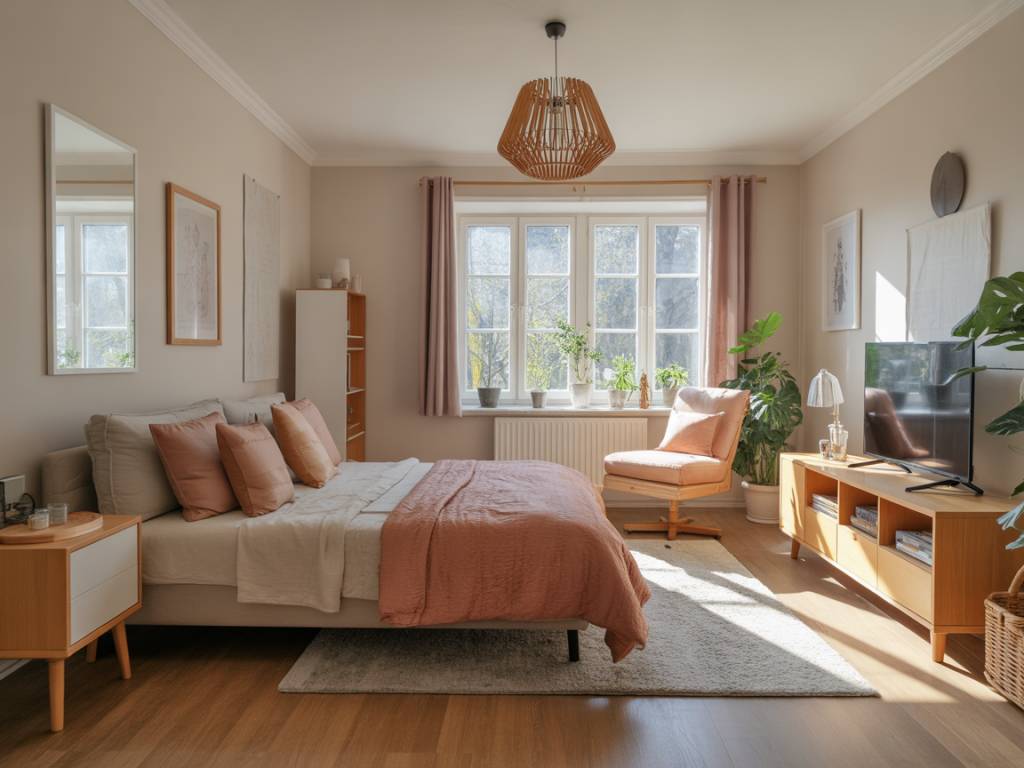
In recent years, architects, health professionals, and homeowners have begun to look at living spaces through a new lens: circadian health. Our bodies run on an internal clock of roughly 24 hours, regulating sleep, hormone production, body temperature, digestion, and mood. Light is the primary signal that keeps this clock aligned with the day–night cycle. A growing body of research suggests that when our living environments work with this rhythm instead of against it, we sleep better, feel more alert during the day, and may even reduce long-term health risks.
Designing a circadian-friendly home does not require a complete renovation. It starts with understanding how natural and artificial light affect biology, and then making thoughtful choices about windows, colors, fixtures, and daily routines. The goal is a home that supports alertness when it is needed and gently prepares the body for rest when night falls.
Why Circadian Rhythms Matter for Health
Circadian rhythms are the cyclical patterns that repeat roughly every 24 hours. They are responsible for the timing of sleep and wakefulness, but they also influence blood pressure, metabolism, immune function, and mental performance. At the center of this system is the suprachiasmatic nucleus (SCN), a tiny region in the brain that acts as the master clock.
The SCN responds mainly to light, especially blue-enriched daylight in the morning. When this signal is strong and consistent, the clock remains well aligned. In practical terms, this means:
- Falling asleep more easily at night
- Waking up closer to the desired time, often with less need for an alarm
- More stable energy levels during the day
- Better regulation of appetite and metabolic processes
Chronic disruption of circadian rhythms, often called circadian misalignment, has been linked in research to an increased risk of insomnia, depression, obesity, type 2 diabetes, and cardiovascular disease. Shift work is the most obvious example, but less extreme misalignment can be generated by staying indoors under dim light for most of the day and then spending evenings under bright, blue-rich artificial light. Home design and lighting habits are therefore not just aesthetic choices, but potential health interventions.
The Role of Natural Light in a Healthy Home
Natural daylight is the most powerful tool for synchronizing the circadian system. Its intensity and color change gradually from morning to evening, providing clear signals to the body about the time of day. Indoors, though, light levels are usually much lower than outdoors, even on cloudy days. Many homes are effectively “dim caves” compared to exterior environments.
Maximizing access to natural light can therefore make a significant difference. Several strategies can be considered during design or renovation:
- Window orientation: East-facing windows capture morning light, which is particularly effective at reinforcing the wake signal and shifting the clock earlier. South-facing windows in the Northern Hemisphere (north-facing in the Southern Hemisphere) provide steady daylight throughout the day.
- Window size and placement: Larger windows, clerestory windows high on the wall, and glazed doors increase daylight penetration, especially in living rooms, kitchens, and home offices where daytime activity is concentrated.
- Open floor plans and interior glazing: Removing unnecessary interior barriers and using glass partitions or interior windows can help daylight reach deeper into the home.
Even without structural changes, it is possible to improve daylight exposure:
- Rearranging furniture so that commonly used seating areas are near windows
- Keeping window sills free from heavy objects that block light
- Opening blinds and curtains early in the day and keeping them open as long as practical
- Choosing sheer or light-filtering window treatments in rooms where privacy is not a concern
For individuals living in high-latitude regions with long, dark winters, or in dense urban environments with limited sunlight, targeted use of morning light therapy boxes may be helpful. These devices provide bright, controlled light intended to mimic certain aspects of daylight, although they should not be considered a complete substitute for exposure to the broader spectrum of natural light and outdoor time.
Color, Surfaces, and Light Distribution
The way light moves through a home is shaped by interior finishes and colors. Pale, matte surfaces reflect and diffuse daylight, while dark or glossy surfaces absorb or create harsh glare. Choosing materials and colors thoughtfully can make spaces feel brighter without necessarily increasing light intensity at the source.
Key considerations include:
- Wall and ceiling colors: Light, neutral tones on walls and ceilings reflect more daylight, helping it reach farther. This can contribute to higher daytime light exposure, a key factor in circadian support.
- Flooring and large furniture: Mid-tone finishes often strike a balance between comfort and reflectance, avoiding both overly bright reflections and heavy light absorption.
- Use of mirrors: Strategically placed mirrors can redirect daylight into deeper parts of a room, though they should be used carefully to avoid glare.
The aim is not to create an environment that feels clinically bright but to distribute available daylight as evenly and softly as possible. This helps support visual comfort, reduces eye strain, and maintains a more natural pattern of brightness throughout the home.
Artificial Lighting That Respects the Body Clock
When the sun sets, artificial lighting takes over. This is where many homes work directly against the circadian system, providing bright, blue-rich light late into the evening. The same wavelengths that are beneficial in the morning can delay melatonin release at night, making it harder to fall asleep and shifting the internal clock later.
Circadian-aware lighting design divides the day into zones and tasks:
- Morning and daytime: Bright, cooler white light (often in the 4000–5000K range) in work areas, kitchens, and home offices can support alertness and focus. During this window, exposure to blue-enriched light is generally beneficial for most people.
- Late afternoon: Light levels can begin to decrease gradually. Warmer color temperatures (around 2700–3000K) in living rooms and dining areas create a softer transition from day to evening.
- Evening and pre-sleep: Low-intensity, warm light is preferable in bedrooms and relaxation zones. Dimmable lamps, wall sconces, and indirect lighting help avoid direct glare and reduce the impact on melatonin production.
In practical terms, this can be implemented by combining several light sources instead of relying on a single overhead fixture. Layered lighting allows adjustment of brightness and direction according to time of day and activity. Smart bulbs and connected lighting systems can add further flexibility, automatically shifting color temperature and intensity as the evening progresses.
In bedrooms, it is particularly important to minimize exposure to bright, blue-rich light in the hour or two before sleep. This means:
- Choosing bedside lamps with warm, low-intensity bulbs
- Avoiding powerful overhead lights late at night
- Using “night mode” or blue-light reduction settings on screens when their use cannot be avoided
While the evidence on blue-light-blocking glasses remains mixed in some studies, they are another tool some people find helpful when evening screen exposure is unavoidable.
Bedrooms as Circadian Sanctuaries
The bedroom is where circadian-friendly design has the most direct impact on sleep. Beyond light, the environment should support stable body temperature, reduce noise, and encourage a predictable sleep routine. However, light remains the primary focus.
Several design features can make the bedroom more supportive of healthy sleep rhythms:
- Effective darkness at night: Blackout curtains or blinds can prevent streetlights, car headlights, and early morning light from disrupting sleep. Even small amounts of light can fragment sleep in sensitive individuals.
- Controlled morning light exposure: For those who struggle to wake up, allowing some natural light to enter the room in the early morning can help. Some people choose partial blackout solutions, using layered curtains that can be adjusted easily.
- Limited electronics: Minimizing screens and bright LEDs from clocks or devices helps maintain a dark environment. If a display is necessary, red or amber light is generally less disruptive than blue or white.
Temperature and ventilation also interact with circadian rhythms, as body temperature naturally drops at night. A slightly cooler bedroom, combined with breathable bedding and adequate air circulation, can support this physiological process and promote deeper sleep.
Daily Habits That Complement Circadian-Friendly Design
Physical changes in the home structure are most effective when paired with consistent daily habits. Light exposure is cumulative, and the body responds to patterns over time rather than single events.
Several routines can reinforce the benefits of a circadian-aware home:
- Spending at least some time outdoors in the morning, even if briefly, to receive a strong natural light signal
- Positioning workstations or reading chairs near windows and keeping blinds open during the day
- Lowering indoor light levels and shifting to warmer tones one to two hours before bedtime
- Keeping a relatively regular sleep–wake schedule, including on weekends, so that the internal clock does not constantly shift
These habits, combined with thoughtful design, create a coherent light environment that is more aligned with human biology. The result is not a rigid routine, but a home that naturally encourages healthier patterns without constant conscious effort.
As awareness of circadian health grows, more building standards, lighting products, and design guidelines are beginning to incorporate these principles. For homeowners and renters, the fundamental tools are already available: windows, color, lamps, and daily exposure to daylight. By rethinking how light is used and experienced throughout the day, it becomes possible to shape living spaces that quietly support sleep, mood, and long-term wellbeing.