
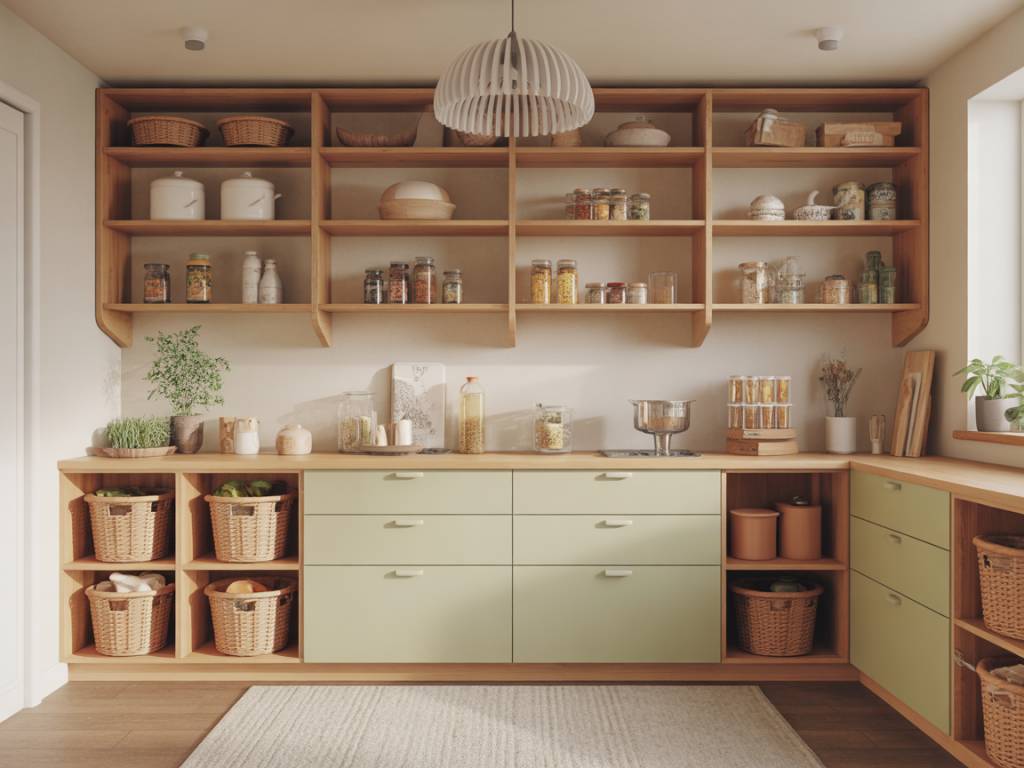
Why a Zero-Waste Pantry Matters
A zero-waste pantry is more than a design trend. It is a practical response to three growing concerns: food waste, plastic pollution, and the desire for healthier, more intentional home environments. By rethinking how food is stored and presented, a pantry can become a space that minimizes waste, preserves food longer, and brings visual calm to the kitchen.
Designing such a pantry is not about buying an entire set of matching jars overnight. It is a gradual shift in habits and storage choices that aims to reduce packaging, make ingredients visible and accessible, and create a system that is easy to maintain over time.
Assessing Your Current Pantry Habits
Before changing containers or rearranging shelves, it is useful to understand how food is currently purchased, stored, and discarded in your home. This assessment helps avoid unnecessary purchases and focuses your efforts where they will have the most impact.
Questions to ask yourself include:
- Which foods are often thrown away because they expire or go stale?
- Are some items hidden at the back of shelves and regularly forgotten?
- How much single-use packaging enters the kitchen each week?
- Which containers or storage methods already work well for you?
Taking a short inventory of what you own, what you waste, and what frustrates you in your current pantry creates a clear starting point for a more efficient and sustainable system.
Principles of a Zero-Waste Pantry
A zero-waste pantry is built on a few core principles that guide every decision, from containers to shelf layout:
- Visibility: You can see what you have at a glance, reducing the risk of duplicates and forgotten ingredients.
- Accessibility: Frequently used items are easy to reach, encouraging consistent use instead of purchase-and-forget habits.
- Durability: Containers and tools are made to last, avoiding frequent replacement and additional waste.
- Modularity: Storage can adjust as your cooking habits change over time, rather than locking you into a rigid system.
- Low-impact materials: Preference is given to glass, metal, wood, and high-quality reusable plastics over disposable or low-grade materials.
Choosing Sustainable Storage Containers
One of the most visible aspects of a zero-waste pantry is the choice of containers. While the aesthetic appeal of neatly aligned jars is obvious, the focus should remain on practicality, safety, and sustainability.
Common container options include:
- Glass jars: Ideal for grains, legumes, pasta, nuts, seeds, and dried fruit. They are non-porous, do not retain odors, and allow full visibility. Repurposed jars from sauces, pickles, or jams are often as effective as new ones.
- Stainless steel containers: Good for coffee, tea, spices, and snacks that need protection from light. They are durable, lightweight relative to glass, and often come with tight-sealing lids.
- High-quality, BPA-free plastic containers: Useful for light, bulky items such as cereals or for households where glass breakage is a concern. While not as low-impact as glass or metal, reusing them over many years still significantly reduces waste.
- Ceramic or stoneware canisters: Attractive for countertop storage of staples such as flour or sugar, particularly if they include airtight seals.
When selecting new containers, it is helpful to standardize sizes where possible. Uniform container dimensions improve stackability and make the most efficient use of shelf space. However, prioritizing reuse should come first. Existing jars, tins, and boxes can be gradually integrated, reducing the need for new purchases.
Bulk Buying and Refilling Strategies
Storing food sustainably is closely linked to how it is purchased. Bulk sections in grocery stores or dedicated zero-waste shops offer the opportunity to reduce packaging dramatically. Instead of bringing home numerous small bags or boxes, you can refill your own containers or reusable bags.
Some practical strategies include:
- Keeping a set of lightweight cloth bags or silicone pouches specifically for bulk purchases.
- Bringing empty, pre-weighed jars or containers to shops that allow direct refilling.
- Buying only the quantities you realistically consume within a set period, rather than stocking up excessively.
- Planning meals around bulk staples like rice, lentils, oats, and beans to make full use of what you store.
For those without access to bulk stores, waste reduction is still possible by choosing larger package sizes for frequently used items, focusing on minimally packaged products, and repurposing packaging when feasible.
Organizing Shelves for Function and Style
A sustainable pantry can also be visually pleasing. Order and aesthetics are not superficial; they support better food rotation, easier cooking, and less waste. Careful organization helps keep ingredients in circulation instead of letting them age unnoticed.
Some practical design choices include:
- Grouping by category: Arrange shelves by function (baking, breakfast, snacks, grains, canned goods) so that each section becomes a clear zone.
- Using height strategically: Heavier items and large jars belong on lower shelves, while lighter or less frequently used ingredients sit higher.
- Creating a “use first” area: Dedicate a visible spot for items that need to be used soon, such as opened packages or products nearing their best-before date.
- Employing baskets or bins: Open bins can corral small items or multiples, like snack packs, root vegetables, or jars of condiments.
A visually cohesive look does not require every container to match. A consistent color palette or material mix (for example, clear glass and natural wood) can unify a diverse selection of jars and boxes. The aim is harmony rather than perfection.
Labeling: A Small Detail with Large Impact
Labels are an essential part of any zero-waste pantry, especially when containers are reused and original packaging is removed. Clear labeling prevents confusion, discourages accidental waste, and helps all household members share the same system.
Effective labeling practices include:
- Listing the product name and, when relevant, cooking instructions (for example, “brown rice: 45 minutes” or “lentils: 20–25 minutes”).
- Adding purchase dates or expiry dates, particularly for items that are not used frequently.
- Using removable labels or a washable marker on glass to allow easy updating.
- Keeping style simple and legible rather than overly decorative to ensure quick identification.
Consistent labeling reduces the temptation to keep outer packaging “just in case,” thereby supporting a cleaner, less cluttered pantry design.
Extending the Life of Fresh Foods
Dry goods are only one part of a pantry. Many homes also use pantry-adjacent areas for storing potatoes, onions, garlic, and in some cases fruits. Here, the goal is to slow spoilage without relying on plastic bags or disposable packaging.
Some low-waste storage techniques for fresh produce include:
- Keeping onions, garlic, and shallots in breathable baskets or mesh bags in a cool, dark place.
- Storing potatoes in a covered box or basket to protect them from light, which can cause sprouting and greening.
- Separating ethylene-producing fruits like apples and bananas from sensitive produce to prevent premature ripening.
- Using cotton or linen produce bags for items that require airflow, such as citrus, instead of sealed plastic.
Though many of these strategies occur just outside the traditional pantry, they contribute to the broader goal of reducing food waste and maintaining a consistent, organized storage system across the kitchen.
Balancing Hygiene, Safety, and Sustainability
A zero-waste pantry still needs to meet basic hygiene and safety requirements. Reused jars and containers must be adequately cleaned and dried to prevent mold or contamination. Airtight lids are particularly important for storing flours, nuts, and grains, which can attract insects or go rancid if exposed to air and humidity.
Key safety practices include:
- Washing jars thoroughly and letting them dry completely before filling them with dry goods.
- Inspecting containers for cracks, chips, or warped lids that might compromise the seal.
- Rotating food by placing newly purchased items behind older ones in the same container or zone.
- Checking periodically for signs of pests and cleaning shelves with mild, non-toxic cleaners.
When reused containers are maintained carefully, they can be as safe and reliable as new ones, while significantly reducing environmental impact.
Adapting the Pantry to Your Lifestyle
Not every household cooks in the same way, and a sustainable pantry needs to reflect the reality of daily life. A family that bakes frequently will require more space for flours, sugars, and baking tools, while someone focused on quick weeknight meals might need easy access to grains, canned goods, and pre-cooked legumes.
To align the pantry with your lifestyle, consider:
- Mapping a typical week of meals and identifying the ingredients that appear most often.
- Giving priority shelf space to the foods you reach for daily, instead of those you think you should use more often.
- Allowing flexibility in your system, such as one or two “floating” shelves that change function seasonally.
- Resisting the urge to overfill every jar or shelf; some empty space supports calm, visibility, and future adjustments.
The most sustainable pantry is not the most photogenic one, but the one that genuinely reduces waste, simplifies cooking, and can be maintained without constant effort.
A Long-Term, Incremental Project
Designing a zero-waste pantry does not need to happen in a single weekend. In many cases, the most sustainable approach is slow and incremental: reusing containers as they become available, shifting buying habits one product at a time, and observing what systems naturally work for your household.
Over months, small choices accumulate. A handful of reusable jars replaces dozens of disposable packages. A dedicated “use first” shelf keeps food in circulation. Bulk purchases reduce both packaging and impulse buys. Gradually, the pantry evolves into a space that is not only efficient and organized, but also aligned with broader environmental and health goals.