
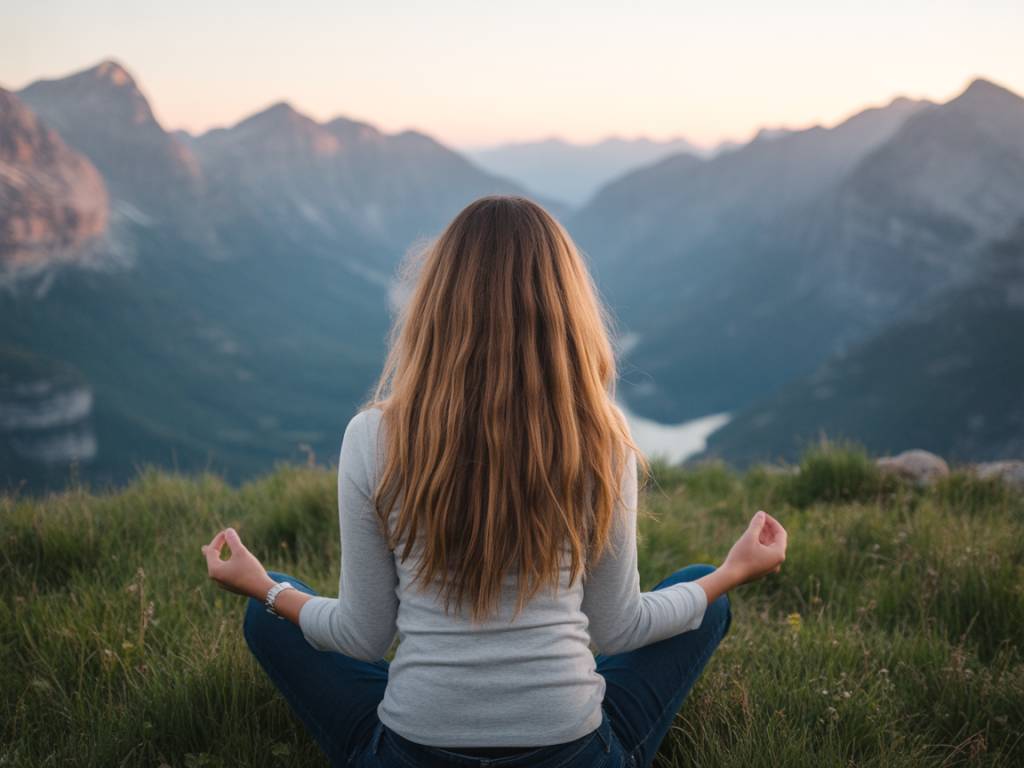
Understanding Micro-Breaks in Nature
In modern daily life, schedules tend to be tightly packed, screens occupy a large share of attention, and moments of genuine rest are often postponed until the evening or the weekend. Against this backdrop, short pauses in natural environments are emerging as a simple yet powerful way to reduce stress and restore mental clarity. These “micro-breaks” do not require a long hike, a holiday in the countryside, or a full afternoon off. Instead, they are brief, intentional interruptions in the day, taken outdoors and focused on reconnecting with natural elements, even in small doses.
Micro-breaks can last from 30 seconds to 10 or 15 minutes, depending on context and opportunity. They may involve stepping outside to look at the sky, sitting on a park bench between two meetings, walking around the block under the trees, or simply standing near an open window with a view on a garden or courtyard. What matters is the quality of attention to natural surroundings and the willingness to momentarily step out of task-driven mode.
Why Nature Helps Reduce Stress
The idea that nature has a calming effect is not new, but scientific research has been providing more precise explanations for this phenomenon. Several theories help illuminate why even very short contact with natural environments can reduce stress:
- Stress Recovery Theory: Natural scenes can trigger physiological responses associated with relaxation, including lower blood pressure, reduced muscle tension, and slower heart rate. The body shifts from a state of alertness, dominated by the stress response, to a more restorative mode.
- Attention Restoration Theory: Everyday life, especially in urban and digital environments, demands sustained, directed attention. This can lead to mental fatigue. Nature, with its gentle, non-intrusive stimuli—moving leaves, clouds, water—captures attention effortlessly, allowing directed attention systems to rest and recover.
- Biophilia Hypothesis: Humans may have an innate tendency to seek connections with other living systems. Green spaces, plants, and natural light can provide a sense of belonging and comfort, counterbalancing the sense of disconnection that often accompanies stressed or overloaded states.
These mechanisms mean that even short, repeated exposures to nature during the day can cumulatively ease the burden of chronic stress, instead of waiting for a long weekend or vacation to decompress.
What Counts as a Nature Micro-Break?
A micro-break in nature does not require a forest or a seaside landscape. The defining elements are brevity, intention, and the presence of at least some natural features. For people living in cities, this can be surprisingly accessible through small, everyday gestures.
Examples of practical nature micro-breaks include:
- Stepping onto a balcony or terrace to observe the sky, the light, and distant trees or rooftops covered in vegetation.
- Walking slowly to the nearest patch of greenery, whether it is a park, a square with trees, or a community garden, and standing there for a few minutes.
- Sitting by an open window to feel fresh air on the skin, listening intentionally to birds, wind, or rain.
- Taking a brief walk along a tree-lined street instead of choosing the fastest indoor route.
- Spending a few minutes caring for houseplants or a small balcony garden, paying attention to textures, colors, and smells.
The micro-break becomes even more effective when distractions—especially smartphones used for social media or emails—are put aside. The goal is to occupy the senses with the environment, not to continue mental multitasking outdoors.
Physiological Benefits of Short Outdoor Pauses
Even brief contact with nature can generate measurable changes in the body. Studies on “green exercise” and outdoor exposure suggest that small, regular doses contribute to better physiological regulation throughout the day.
- Reduced cortisol levels: Cortisol, often referred to as a stress hormone, tends to rise with prolonged mental or emotional strain. Short breaks in green surroundings can contribute to modest but meaningful decreases, supporting a more balanced hormonal profile.
- Lower muscle tension: When stress levels increase, muscles around the neck, shoulders, and jaw often tense up. Standing or walking in a natural setting, accompanied by slow breathing, can help release this tension.
- Improved heart rate variability (HRV): HRV is an indicator of how well the body adapts to stress. Exposure to calming outdoor environments has been associated with more favorable HRV patterns, indicating better resilience and a more flexible nervous system.
- Better sleep quality: Managing stress during the day through regular micro-breaks may facilitate an easier transition to sleep at night. Natural light exposure also helps regulate circadian rhythms, supporting a more stable sleep-wake cycle.
These changes are often subtle and accumulate over time. They do not replace medical care or psychological support when needed, but they can complement broader strategies for managing daily stress.
Cognitive and Emotional Effects
Micro-breaks in nature do not only influence the body; they also affect how people think and feel as they move through their day.
On a cognitive level, short outdoor pauses can:
- Improve concentration: After a few minutes spent looking at trees or water, many people report returning to their tasks with a clearer mind and improved focus.
- Support creativity: Stepping away from screens and rigid thinking patterns, even briefly, can create mental space for new associations and ideas to emerge.
- Reduce mental fatigue: When cognitive resources are depleted, productivity tends to drop and errors increase. Nature micro-breaks support restoration of attention, helping to sustain performance over the course of the day.
Emotionally, these moments can act as small anchors of calm. Being outside, observing the movement of clouds, listening to leaves in the wind, or watching birds can gently shift mood and perspective. Feelings such as irritability, anxiety, or overwhelm may soften, replaced by a sense of groundedness or mild curiosity. Over time, this repeated experience of brief relief can contribute to greater emotional stability.
Designing Micro-Breaks in a Busy Day
Incorporating nature micro-breaks into a busy routine often requires intention more than time. A few adjustments in daily habits can make a noticeable difference.
- Link breaks to natural transitions: Use times when you already shift tasks—after a meeting, before a phone call, between household chores—to step outside or to a window for two or three minutes.
- Set gentle reminders: A recurring alarm, a note near your computer, or an app can prompt you to pause regularly. The reminder becomes a signal to look for the nearest possible contact with nature.
- Reshape short commutes: If you walk or cycle, choose routes that pass by trees, water, or gardens. If you drive or use public transport, consider arriving a few minutes early to spend time in a nearby green spot.
- Integrate nature into breaks you already take: Coffee breaks, lunch pauses, or quick phone calls can be moved outdoors when the weather allows, turning them into restorative experiences.
For remote workers or people spending most of their time at home, stepping into a yard, balcony, or courtyard can function in the same way as going to a nearby park. The key is to create a clear mental boundary between task time and nature pause, even if the shift only lasts a minute or two.
Bringing Nature Indoors When Going Outside Is Difficult
There are days when stepping outside is not possible, due to weather, mobility issues, health conditions, or work constraints. Even in such cases, certain elements of nature can still be incorporated indoors to offer partial benefits.
- Indoor plants: Houseplants add living, dynamic elements to interior spaces. Taking a moment to water them, prune leaves, or simply observe their growth can serve as a micro-break.
- Natural materials: Wood, stone, wool, and cotton can bring subtle tactile and visual reminders of nature into the home or office, contributing to a more calming atmosphere.
- Daylight and views: Positioning a work area near a window with a view—even of a courtyard, trees in the distance, or the changing sky—can provide ongoing low-level exposure to natural patterns.
- Nature sounds and images: While not a full substitute, recordings of birds, rain, or ocean waves, as well as photographs or paintings of landscapes, can support relaxation when combined with intentional pauses.
These strategies allow the nervous system to register traces of nature, even in dense urban or highly controlled environments.
Small Steps Toward a More Balanced Daily Rhythm
Micro-breaks in nature do not require major lifestyle changes or specialized equipment. They rely on brief moments of presence, a willingness to slow down, and an openness to the sensory richness of the outdoors. By weaving these short pauses into commutes, workdays, and household routines, many people gradually reshape the rhythm of their day.
Instead of long, uninterrupted periods of tension followed by attempts at recovery in the evening, stress can be diffused in smaller doses throughout the day. Each pause—two minutes on a park bench, a short walk under the trees, a moment at the window watching the sky—acts as a gentle adjustment back toward balance. Over time, this regular contact with nature can support mental clarity, emotional stability, and a more resilient body, even in the midst of demanding schedules.