

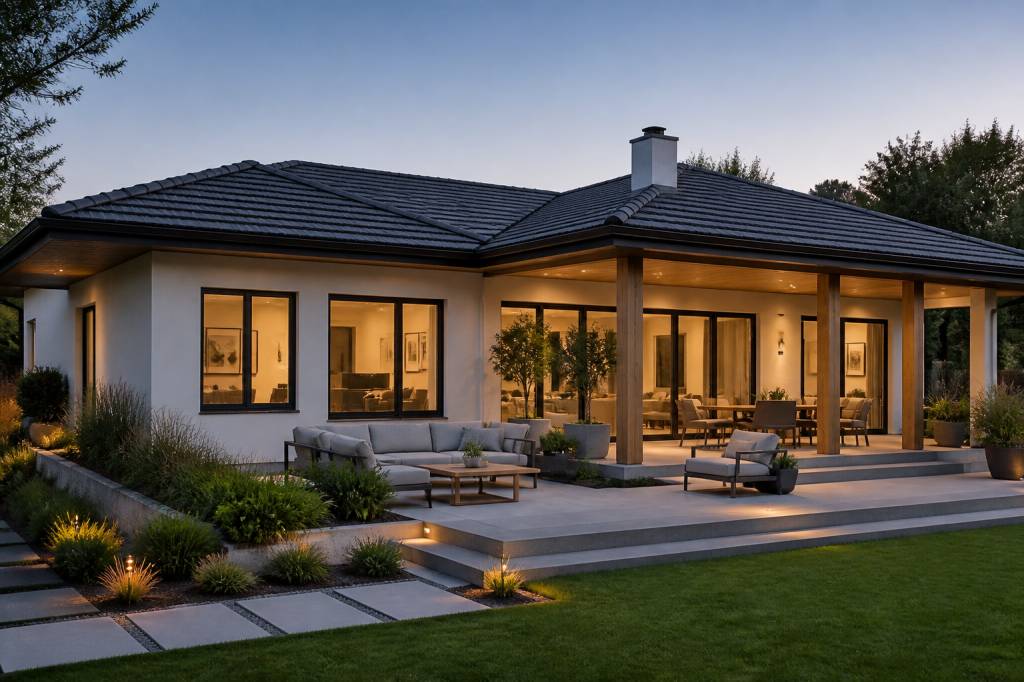
A well-designed one-storey house can feel spacious, practical, and surprisingly modern. In fact, single-level living often solves problems that two-storey homes create: stairs, awkward circulation, wasted space, and rooms that feel disconnected. If you’re planning a new build or rethinking an existing layout, a good one-storey design can make daily life easier without sacrificing style.
The key is not simply making everything flat. It’s about using the footprint wisely, keeping movement simple, and making each area work hard. That’s where practical design starts to shine. You want a home that fits your routines, not one that forces your routines to fit the home.
Start with the way you actually live
Before thinking about finishes, rooflines, or window styles, look at how your household uses space. Do you cook often? Work from home? Need a quiet corner away from the main living area? Have children, guests, pets, or aging parents moving in and out of the house? These details matter more than trend-driven floor plans.
A practical one-storey house design begins with honest questions:
- How many private rooms do you need now, and in five years?
- Do you prefer open-plan living, or do you want some separation between zones?
- How much storage do you actually use every day?
- Is accessibility important now or likely to be important later?
- Do you want outdoor access from the main living area?
Answering these early helps prevent one of the most common design mistakes: creating a beautiful house that is awkward to live in. A home should support your habits, not fight them.
Keep the layout simple and efficient
One-storey homes work best when circulation is clean. Every unnecessary hallway adds cost, eats floor area, and creates dead space. That doesn’t mean you need a box with rooms glued together. It means planning a layout where movement feels natural.
A central living zone with bedrooms grouped to one side often works well. It creates a clear division between active and quiet areas. In family homes, this can be especially useful: children can sleep while adults still use the kitchen and living room without tiptoeing around like they’re in a library.
Some practical layout ideas include:
- Placing the kitchen, dining, and living areas in one connected space
- Keeping bedrooms away from the front door for privacy
- Linking the utility room to the kitchen or side entrance for easy laundry and shopping drop-off
- Using short hallways only where they improve privacy or reduce noise
- Aligning doors and windows to create straight, easy visual paths through the home
Efficiency is not just about saving space. It also improves comfort. A smart layout reduces daily friction. No one wants to cross the entire house three times just to unload the groceries.
Open-plan living works best when it is zoned properly
Open-plan spaces remain popular for good reason. They bring in light, make homes feel bigger, and suit modern family life. But there is a difference between a good open-plan layout and one that turns into a noisy, echo-filled rectangle.
The trick is to create zones without adding walls. That can be done with furniture placement, ceiling changes, flooring shifts, or partial partitions. For example, a kitchen island can separate cooking from dining. A rug can define the seating area. A lowered ceiling over the dining space can create a sense of intimacy without closing things off.
Useful ways to zone a one-storey open-plan area:
- Use an island or peninsula to mark the kitchen boundary
- Place the dining table between the kitchen and lounge as a buffer
- Change flooring material subtly between functional areas
- Add built-in shelving or half-height walls for definition
- Use lighting to create different moods in each zone
This approach keeps the space open while giving each area a clear purpose. The result feels more organised and far less chaotic. Open plan should feel relaxed, not like everything happens in one oversized room.
Prioritise natural light from the start
In a single-storey house, natural light can be a major advantage. With no upper floor blocking the roofline, you have more flexibility to bring light deep into the home. This can make rooms feel larger, warmer, and more inviting without increasing square footage.
Think carefully about window placement. South-facing windows can maximise daylight in many climates, while carefully positioned side windows can brighten hallways and bathrooms. Rooflights or skylights are especially useful in one-storey designs because they bring light into central areas that might otherwise feel dim.
Practical light-enhancing options include:
- Large glazed doors opening to the garden or patio
- Rooflights in kitchens, hallways, and bathrooms
- Corner windows to widen views and increase brightness
- High-level windows for privacy without losing daylight
- Internal glass panels or doors where borrowed light is needed
Light is one of the cheapest ways to improve how a home feels. It also helps daily life: cooking, working, cleaning, and simply waking up all become easier when the space is bright and welcoming.
Make storage part of the architecture
Storage should not be an afterthought. In a practical one-storey home, it needs to be built into the plan from day one. Otherwise, you end up filling rooms with freestanding cupboards, baskets, and furniture that should have been unnecessary in the first place.
Built-in storage keeps the home calm and uncluttered. It also makes better use of awkward corners and shallow spaces. Think of hallway cupboards, under-bench storage, utility cabinetry, wardrobe recesses, and seating with hidden compartments.
Some smart storage ideas for single-level homes:
- Full-height wardrobes in bedrooms to reduce bulky furniture
- A utility room with space for laundry, cleaning supplies, and coats
- Bench seating with storage in an entryway or kitchen nook
- Pull-out pantry units for food and small appliances
- Built-in shelving around fireplaces or media walls
One-storey homes often have more roof area relative to floor area, which can also create opportunities for attic storage if the structure allows it. Even a small amount of hidden storage can make a huge difference to how tidy the home feels.
Plan the entrance to work hard
The entrance of a home does more than say hello. It handles shoes, coats, bags, deliveries, wet umbrellas, and the general chaos of modern life. A practical design gives this area a proper job.
Too often, entrances in one-storey homes are too small or too open. The best version sits somewhere in between: welcoming, but able to contain mess. A compact porch, recessed front door, or internal lobby can help create that buffer.
Useful entrance features include:
- A covered porch to protect from rain
- Space for a bench and shoe storage
- A coat cupboard close to the door
- Good lighting for safety and comfort
- Durable flooring that can handle mud and traffic
If you live in a climate where the weather changes quickly, this kind of threshold zone is invaluable. It keeps the rest of the house cleaner and gives you somewhere to pause before stepping into the main living space.
Design bedrooms for privacy and calm
In a one-storey house, bedroom placement matters more than people sometimes expect. Because every room sits on the same level, noise can travel easily. That’s why bedrooms should be positioned with care, especially in family homes.
A good strategy is to separate sleeping areas from the busiest parts of the house. For example, bedrooms can be arranged along a quieter corridor or grouped at the rear of the property. If there is a main bedroom suite, it may benefit from being slightly detached from children’s rooms or guest accommodation.
Simple ways to improve bedroom comfort:
- Keep bedroom doors away from the living room if possible
- Use solid-core doors for better noise control
- Place wardrobes along shared walls to add acoustic buffering
- Provide bedside power outlets and charging points
- Use window placements that avoid direct overlook from the street
A restful bedroom does not need to be large. It needs to be quiet, private, and easy to use. That’s practical design at its best.
Consider accessibility now, not later
One-storey homes are naturally more accessible than multi-level homes, which is one of their strongest advantages. But true accessibility goes beyond the absence of stairs. It includes doorway widths, bathroom layouts, circulation space, and the ease with which someone can move from room to room.
If you plan ahead, your home can remain comfortable through different stages of life. That is useful whether you’re thinking about children, guests with mobility issues, or your own future needs. Designing for flexibility now is much easier than remodeling later.
Practical accessibility features to consider:
- Step-free entry from the outside
- Wide internal doors and hallways
- Flush thresholds between indoor and outdoor spaces
- A bathroom that can accommodate a walk-in shower
- Room to turn comfortably in key areas like the kitchen and hallway
This doesn’t mean turning the home into a clinic. It simply means making the layout easier for more people to use, more of the time.
Connect indoor and outdoor spaces intelligently
One-storey houses often have a natural advantage when it comes to indoor-outdoor flow. With everything on one level, it is easier to open living areas directly onto a garden, terrace, or courtyard. This creates a stronger sense of space and makes the home feel more relaxed.
Big sliding doors are not the only option. Even a modest opening from the kitchen to a patio can improve everyday life. It makes entertaining easier, helps with ventilation, and gives children or pets a clear route outdoors.
Practical ways to strengthen the connection include:
- Positioning the main living space toward the garden
- Using consistent flooring tones inside and out
- Adding a covered outdoor area for year-round use
- Placing the dining space near exterior doors
- Designing window seats or built-in views toward planting and light
Even small outdoor connections can have a big effect. A breakfast table beside a garden door, for example, can make the whole room feel brighter and more open every morning.
Use the roofline to shape the house without complicating it
One-storey houses are often seen as simple, but the roof design can give them character without overcomplicating the build. A well-chosen roofline adds interest, improves drainage, and can support better light and ventilation.
Depending on the style you want, you might use a flat roof, pitched roof, or a combination of both. A pitched roof can create a more traditional appearance and may offer loft storage. A flat roof can suit a clean modern style and allow for clerestory windows or rooflights.
What matters is choosing a roof that supports the house rather than distracting from it. The best practical designs avoid unnecessary complexity. Fewer awkward junctions usually mean fewer headaches later, which is good news for both maintenance and cost.
Choose materials that are easy to live with
Modern living is busy enough without high-maintenance finishes demanding constant attention. In a practical one-storey home, materials should be durable, easy to clean, and appropriate for the way each space is used.
Kitchen and hallway floors, for instance, should be tough and low maintenance. Bathrooms need materials that handle moisture well. External finishes should suit the local climate and not require endless upkeep.
Good practical material choices include:
- Porcelain tile or engineered timber for high-traffic areas
- Quartz or similar durable worktops in the kitchen
- Washable wall finishes in family spaces
- Weather-resistant cladding or render for exteriors
- Simple window and door details that are easy to maintain
The goal is not to make the house plain. It is to select finishes that age well and support everyday use without becoming a burden.
Think long term, but keep the plan flexible
One of the best things about a one-storey house is its adaptability. A room that functions as a home office today can become a nursery, guest room, or hobby space later. A dining room can sometimes double as a workspace. A spare bedroom can become a care room if needed.
That flexibility is worth building in from the start. It can be as simple as adding enough sockets, planning good daylight, and avoiding overly specialised room shapes. A square, well-lit room is often more useful than a highly styled space with limited options.
Ask yourself one final question: if your life changes, will the house still work? If the answer is yes, you’ve probably designed something practical enough to last.
A good one-storey house design is not about doing less. It is about doing the right things well. Keep the circulation efficient, the storage built in, the light generous, and the layout honest about how people actually live. Do that, and you get a home that feels calm, functional, and modern without trying too hard.